
Been treated before
and it still comes back?
We look for the reason why.
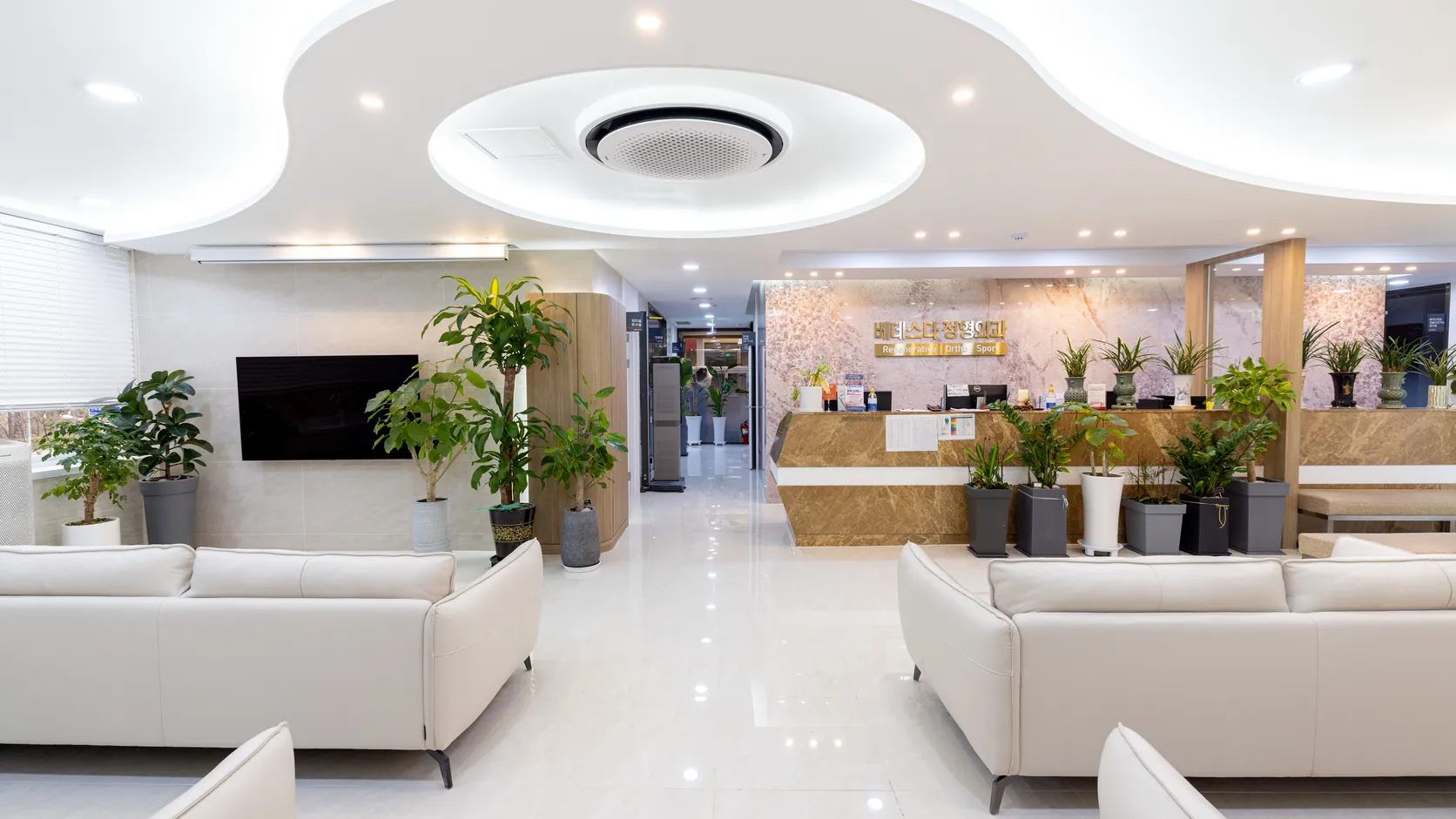
Bethesda Orthopaedic & Sports Clinic is an orthopedic clinic in Gangnam, Seoul, led by a board-certified orthopedic specialist. We are an English-speaking medical clinic, and our approach starts with checking how your autonomic nervous system is functioning: not just treating the sore spot.
We see a tight muscle as a result,
not as the starting point.
When pain keeps returning to the same spot, we start by checking what is behind it, not only the sore spot itself.
Nervous-system regulation weakens
Fatigue, poor sleep, and ongoing stress wear down the body's regulatory function first. There is usually no pain yet, so this stage goes unnoticed.
The autonomic balance tips
The sympathetic nervous system stays switched on. Muscles can't fully relax, even at rest, and slowly stiffen.
Pain and postural change appear
This is where symptoms finally become visible. Releasing the tight muscle alone brings short-term relief: if Stage 01 and 02 remain unaddressed, the same spot tends to hurt again.
When pain has not settled, Stage 01 and 02 are often the part that was never measured. Bethesda measures them with an autonomic nervous system evaluation and a dynamic EMG evaluation, then builds a treatment plan around what the results show, rather than around a fixed package.
Common reasons patients come in
This is a general guide, not a diagnosis. If your symptom isn't listed, please call or visit: the doctor can advise you directly.
Neck pain & forward head posture
Ask the doctor in EnglishShoulder pain & frozen shoulder
Ask the doctor in EnglishLower back pain & disc issues
Ask the doctor in EnglishKnee pain
Ask the doctor in EnglishScoliosis & postural imbalance
Ask the doctor in EnglishHeadaches, dizziness & chronic fatigue
Ask the doctor in EnglishLong-standing or recurring pain
Ask the doctor in EnglishEvaluation before treatment
We don't recommend a treatment before we've measured something. Below is the full range of evaluation and treatment methods used at Bethesda.
Autonomic nervous system evaluation
OMNIFIT MINDCARE: measures sympathetic/parasympathetic balance
Dynamic EMG evaluation
muscle activity measured during movement, not just at rest
Transcranial Magnetic Stimulation (TMS)
non-invasive stimulation to support nervous-system regulation
Manual therapy
hands-on treatment; physical therapists provide the base session and the physician treats key areas directly
Sacro-occipital technique (SOT)
a manual approach addressing how the sacrum and the occiput work together
Applied kinesiology (AK)
muscle-response testing, used as one reference during manual therapy
Craniosacral technique (CST)
gentle manual work following cranial rhythm
Extracorporeal shock wave therapy (ESWT)
for tendon and soft-tissue conditions
Non-steroid injection therapy / autonomic nerve injection
targeted injection therapy
Regenerative therapy
supports tissue repair
Correction of body / postural correction
including scoliosis management
Sports injury care
evaluation and treatment for active patients
What to expect
Bring ID
Please bring your passport or Alien Registration Card (ARC). If you have National Health Insurance, bring your insurance card as well.
History & exam
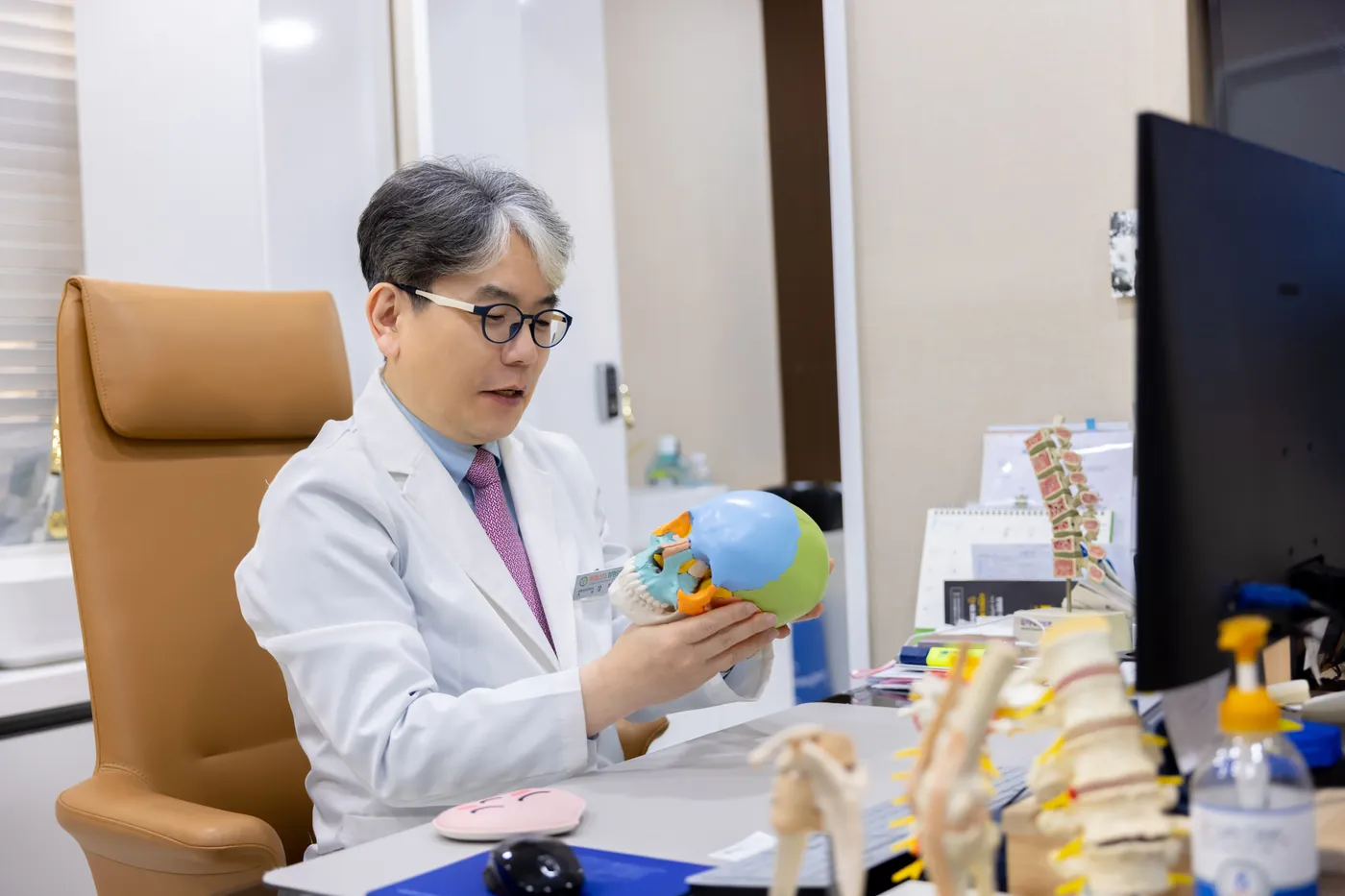
Dr. 강동헌 (Kang Dong-heon) will ask when the pain started, what makes it better or worse, and what treatments you've already tried, in English if you prefer.
Evaluation
Depending on your symptoms, an autonomic nervous system evaluation and/or dynamic EMG evaluation may be recommended to identify what's actually driving the pain.
Plan & treatment
Results are reviewed with you before any treatment plan is decided. A first visit typically runs longer than a routine check-up.
700m from Hanti
Station Exit 7.
- Address
- 2F, 309 Eonju-ro, Gangnam-gu, Seoul
700m on foot from Hanti Station Exit 7, across from the Yeoksam 2-dong Community Center. - Phone
- +82 2-565-0191
- Hours
- Monday to Friday 09:00 ~ 18:00Saturday 09:00 ~ 13:00Lunch break 13:00 ~ 14:00 · Closed Sundays & public holidaysReception closes 30 minutes before closing time.
- Parking
- Free parking in the building
Insurance & payment
Coverage under Korea's National Health Insurance depends on the specific treatment and your enrollment status, and some of the evaluations and treatments described on this page are non-covered (self-pay) procedures. Rather than guessing, please call ahead or ask at your visit: our staff can confirm what applies to you and give you an estimate before treatment begins.
English support
Bethesda introduces itself as an English-speaking clinic. Dr. 강동헌 and staff can communicate with international patients in English throughout your visit, from history-taking to explaining results.
How to book
The most reliable way to book is by phone. If calling isn't convenient, you're also welcome to walk in during clinic hours: English-speaking staff will help you from reception onward.